

The Colosseum, also known as the Flavian Amphitheatre, is an iconic symbol of ancient Rome. Built in the 1st century AD, it was the largest amphitheater ever built at the time and could hold up to 50,000 spectators. The Colosseum was primarily used for gladiatorial contests, animal hunts, and other spectacles that entertained the Roman citizens. It was a place where the people of Rome could gather and witness thrilling displays of bravery and skill.
The Architecture of the Colosseum
The Colosseum is a marvel of engineering and architectural design. It was designed by the architects Vespasian and Titus, who wanted to create a structure that would showcase the power and grandeur of Rome. The Colosseum is an elliptical shape, with four levels of seating and a central arena where the events took place.
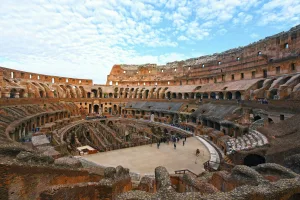
The construction of the Colosseum was a massive undertaking. It was built using concrete, which was a relatively new building material at the time. The concrete was made from a mixture of volcanic ash, lime, and water, which created a strong and durable material. The outer walls of the Colosseum were made from travertine stone, which gave it its distinctive appearance.
The Colosseum Today: A Popular Tourist Destination
| Metrics | Data |
|---|---|
| Number of visitors per year | 7.6 million |
| Height of the Colosseum | 48 meters |
| Diameter of the Colosseum | 188 meters |
| Construction period | 72-80 AD |
| Capacity of the Colosseum | 50,000-80,000 spectators |
| Number of animal species used in gladiatorial games | over 100 |
| Number of gladiatorial games held per year | 100 days |
| Number of levels in the Colosseum | 4 |
| Number of arches in the Colosseum | 80 |
| The current state of the Colosseum | partially ruined |
Today, the Colosseum is one of the most popular tourist attractions in Rome. It attracts millions of visitors each year who come to marvel at its ancient beauty and learn about its history. However, the popularity of the Colosseum also presents challenges in terms of preservation and maintenance.
Preserving such an ancient and iconic structure is no easy task. The Colosseum has been subjected to centuries of wear and tear, as well as damage from earthquakes and other natural disasters. In recent years, there have been efforts to restore and preserve the Colosseum, including cleaning the exterior walls and reinforcing the structure to prevent further deterioration.
Exploring the Underground of the Colosseum
One of the most fascinating aspects of the Colosseum is its underground chambers and tunnels. These underground spaces were used for a variety of purposes during ancient times. They housed the gladiators and animals before they entered the arena, as well as storage areas for props and equipment.
The underground chambers also had a complex system of tunnels that allowed for easy access to different parts of the Colosseum. These tunnels were used by the gladiators and animals to enter and exit the arena without being seen by the spectators.
Planning Your Visit to the Colosseum
Securing your tickets online in advance is a wise first step, allowing you to select a specific entry time. Latecomers may find entry difficult, so punctuality is crucial. Consider the value of a combined ticket, which covers the Colosseum, Roman Forum, and Palatine Hill over two consecutive days. This approach lets you explore each site thoroughly without rushing, ideally starting with the Colosseum on the first day.
Timing your visit can significantly impact your experience. Early mornings or late afternoons, particularly right at opening or a couple of hours before closing, are ideal times to visit to avoid the largest crowds and the midday sun, especially in summer. Spring and fall offer the added advantages of milder weather and fewer visitors.
Enhancing Your Experience
Guided tours, especially those that include access to the Colosseum’s underground chambers or are conducted at night, offer unique perspectives and a more intimate viewing experience. Tours led by local guides not only enrich your visit with in-depth stories and insights but also support the local economy.
Comfort should be a priority when preparing for your visit. Sturdy, comfortable shoes will carry you over the Colosseum’s vast, uneven grounds with ease. Sun protection, including sunscreen, sunglasses, and hats, is essential during the warmer months. The presence of drinkable water fountains inside and near the Colosseum means carrying a refillable water bottle is both environmentally friendly and practical.
Security measures at the Colosseum include bag checks. Large backpacks, suitcases, and certain items like tripods and large umbrellas are prohibited. Reviewing the list of restricted items ahead of time can save you from delays or denials at the entrance.
Essential Travel Information
- The Colosseum opens daily at 9 am, with closing times varying by season. Check here the official website for the most current information.
- Tickets: Various ticket options are available, including standard entry tickets and those that offer access to exclusive areas like the underground chambers and upper tiers. Prices typically start from €16, with concessions available for EU citizens and free entry for those under 18.
- Duration: Allocate at least 2-3 hours for your Colosseum visit to fully appreciate its architecture and scale, and to explore the nearby Roman Forum and Palatine Hill, which are included in most ticket types.
- Getting There: The Colosseum is easily accessible via the Metro (Colosseo station, Line B) or bus. A short walk from the station brings you directly to the monument.
- Photography: For unique shots of the Colosseum, explore the surrounding area. The view from the nearby Palatine Hill offers a less common angle and a panoramic vista of the Roman Forum and Colosseum.
- Free Entry Days: The Colosseum offers free entry on the first Sunday of every month. Expect large crowds, but it’s an excellent option for travellers on a tight budget.
- Restoration Works: The Colosseum is frequently undergoing restoration to preserve its structure. Check ahead for any closed areas and adjust your expectations accordingly.
Eating and Resting
After a day of exploring, refuelling with some local Roman cuisine is a must. The area around the Colosseum, particularly the Monti district, is bustling with culinary delights ranging from traditional trattorias to modern cafes. Here are a few options to consider:
- Traditional Roman Trattorias: These family-run establishments offer a taste of authentic Roman dishes such as carbonara, amatriciana, and cacio e pepe. Trattoria Luzzi and La Taverna dei Quaranta are both popular choices with locals and tourists alike, offering hearty meals at reasonable prices.
- Street Food: For those on the go, Roman street food is both delicious and convenient. Arancini (fried rice balls), supplì (fried tomato and mozzarella rice balls), and porchetta sandwiches are local favorites. You can find these delights at various street vendors and small shops scattered around the Colosseum area.
- Cafes and Gelaterias: No visit to Rome is complete without tasting Italian gelato. The Monti district, a short walk from the Colosseum, boasts several artisan gelaterias, where you can enjoy classic and innovative flavours. Cafes in the area also serve excellent coffee, perfect for a quick rest and people-watching.
- Picnic Options: For those who prefer a more leisurely meal, the nearby Oppian Hill Park, overlooking the Colosseum, is a perfect spot for a picnic. Local delis and supermarkets offer a variety of picnic essentials, from fresh bread and cheese to cured meats and olives. Enjoying a meal with a view of the Colosseum can be a memorable and relaxing experience.

If you’re planning a trip to Rome and are excited to explore the iconic Colosseum, consider checking out our Travel Guide to Rome as well.


